Role of Beauty Booking Platforms: 2026 Guide

A beauty booking platform is a digital system that centralizes scheduling, payments, client data, and marketing for beauty services in one place. The role of beauty booking platform technology has shifted from simple calendar tools to full-service marketplaces that connect clients with licensed professionals, reduce no-shows, and support self-care routines on your terms. Platforms like Booksy and Square Salon Software now serve millions of users, and on-demand beauty services are facilitating over 5.5 million appointments monthly in top U.S. cities. The result is a faster, more personal way to book the services you want, when and where you want them.
What is the role of beauty booking platforms today?
A beauty booking platform, also called a beauty appointment platform or salon management system, does far more than hold a calendar slot. It stores your service history, processes payments, sends reminders, and connects you with the right professional. 42% of loyal customers generate 80% of salon revenue. That number explains why platforms invest so heavily in client retention tools, not just scheduling.

The importance of beauty booking systems comes down to one thing: removing friction. You should not have to call during business hours, wait on hold, or guess whether your preferred stylist is available. A well-built platform puts that control in your hands at 11 p.m. on a Tuesday.
The industry term for the most advanced version of these tools is a “beauty marketplace app.” It goes beyond booking software by adding service discovery, verified reviews, and integrated payments. Think of it the way you think about booking a flight on Google Flights versus calling an airline directly. The marketplace model gives you more information, more options, and more confidence before you commit.
What essential features define effective beauty booking platforms?
The function of salon booking apps depends entirely on the features underneath them. A platform that only handles scheduling is a calendar. A platform that handles scheduling, payments, reminders, and client profiles is a business tool that works for you around the clock.
Here are the seven features that separate effective beauty appointment platforms from basic scheduling tools:
- Online self-booking. You pick the service, professional, date, and time without back-and-forth messages. This is the baseline expectation in 2026.
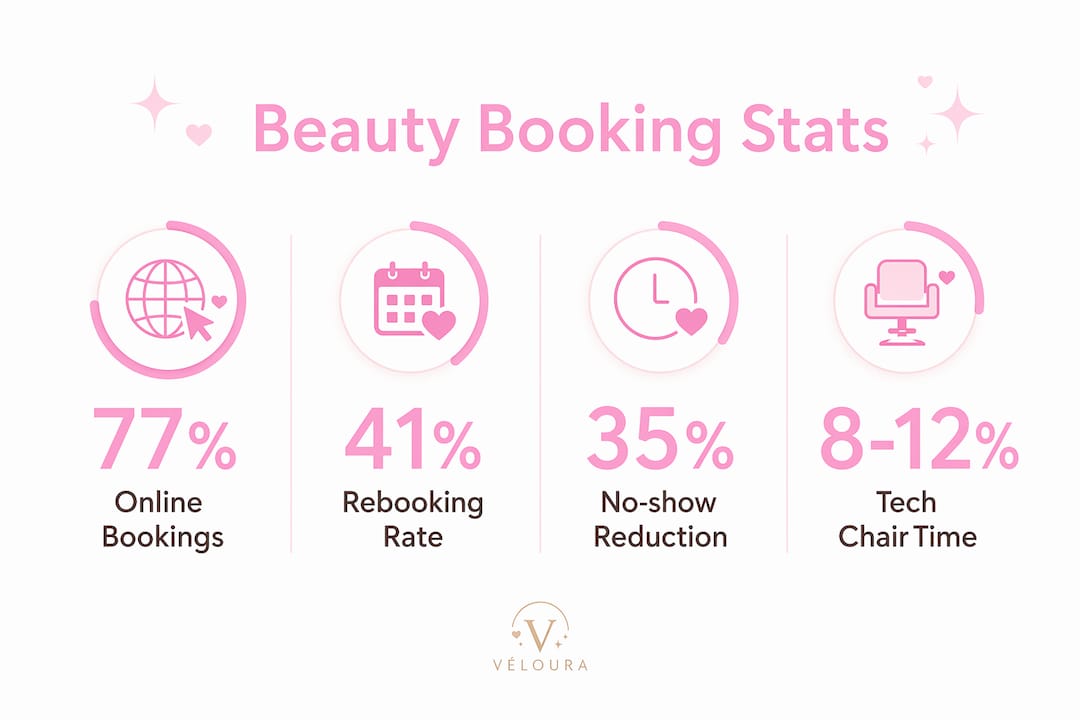
- Automated reminders. Automated text reminders reduce no-show rates by approximately 35%. Platforms that also collect deposits push no-shows below 5%.
- Client profiles and service history. The platform stores your color formula, preferred technician, and past services. This enables personalized recommendations without you repeating yourself at every visit.
- Integrated payments. Checkout happens inside the app. No cash, no awkward card readers, no separate invoices.
- Staff and availability management. You see real-time availability, not a static schedule that may already be outdated.
- Marketing and loyalty tools. Platforms send targeted promotions based on your booking history, rewarding repeat clients.
- Reporting and analytics. For professionals, this data shows which services are most popular and which time slots fill fastest.
Pro Tip: When evaluating any beauty booking platform, test the reminder system before your first appointment. A platform that sends a reminder 48 hours out and again 2 hours before is doing its job. One that sends nothing is leaving your schedule to chance.
Top-earning salons have online bookings for 77% of their appointments and rebooking rates of 41%, compared to 40% bookings and 24% rebooking for median businesses. That gap is not accidental. It reflects the compounding effect of good platform features used consistently.
How do beauty booking marketplaces transform the consumer experience?
Standard booking software schedules appointments. A beauty marketplace app does something bigger. It connects service discovery, booking, payment, and reviews in one place, matching the convenience you already expect from retail shopping.
Over 68% of consumers in the UK expect booking and product access in a single platform. That preference reflects a broader shift in how people approach self-care. You want to browse, compare, read reviews, and book without switching between five different apps or websites.
Here is how the marketplace model changes your experience as a client:
- Discovery without guesswork. You search by service type, location, or price range and see real professionals with real reviews. You are not relying on a friend’s recommendation or a random Google search.
- Transparent pricing. Marketplace platforms display service costs upfront. No surprises at checkout.
- Verified reviews. Ratings come from confirmed bookings, not anonymous posts. That makes them more reliable than most review sites.
- Passive access to new clients for professionals. Booksy’s marketplace model, with 40 million users, gives independent professionals a built-in audience they could not build alone.
- Unified checkout. Payment, tip, and rebooking happen in one flow. You leave the appointment without fumbling for a card or downloading a separate app.
“Consumers expect a single integrated platform to discover, book, and pay for beauty services, reflecting retail shopping convenience.” — StartupRise
Pro Tip: Marketplace rankings do not always reflect the best professionals. Algorithmic rankings often reflect paid placements or advertising spend. Look at review count, recency, and response rate before booking, not just star position.
What impact does AI integration have on beauty booking platforms?
Artificial intelligence is changing the back end of beauty booking without changing what you see on the front end. The role of real-time beauty booking is becoming more automated, with AI handling the repetitive tasks that used to require a human at a front desk.
AI integration in salons reduces admin bottlenecks like booking triage, message drafting, client summaries, and follow-ups. That means faster responses to your inquiries and fewer gaps in communication between appointments.
The practical benefits for clients include:
- Faster replies. AI acts as a digital front desk, answering common questions about availability, pricing, and services at any hour.
- Smarter follow-ups. Platforms use AI to send personalized rebooking nudges based on your service history, not generic mass emails.
- Reduced wait times. Automated booking triage routes your request to the right professional faster than a manual review process.
- Better service matching. AI analyzes your preferences and past bookings to suggest services and professionals that fit your profile.
Beauty businesses using AI-powered booking systems see an 8–12% increase in senior technician chair time. That efficiency gain means more availability for you, not just better numbers for the business.
The limitation worth knowing: AI agent readiness in the beauty industry is still low. The average beauty salon agent readiness score is 11 out of 100. That score measures how prepared a business’s infrastructure is for AI agents to book appointments autonomously. Most platforms still rely on closed systems that block external AI tools from interacting with their booking engines. The technology is advancing, but the infrastructure has not caught up yet.
What challenges affect the adoption of beauty booking platforms?
The benefits of booking beauty services through a platform are real. So are the tradeoffs. Understanding both helps you choose the right platform and avoid frustration down the line.
| Challenge | Impact on clients | Impact on professionals |
|---|---|---|
| Platform dependency | Limited options if a preferred pro leaves the platform | Revenue tied to one marketplace’s rules and fees |
| Closed APIs | AI tools cannot book on your behalf across platforms | Restricts automation and third-party integrations |
| Marketplace lock-in | Reviews and history stay on the platform, not portable | Client relationships owned by the platform, not the pro |
| Ranking manipulation | Top results may reflect ad spend, not quality | Smaller businesses compete against paid placements |
Salons face what researchers call a “double lock-in” problem. The booking platform controls the client relationship, and closed APIs prevent AI tools from interacting with the system. This limits both innovation and your flexibility as a client.
For small beauty businesses, marketplace platforms like Booksy or Vagaro offer reach that standalone tools cannot match. For established businesses with loyal client bases, a standalone management system may offer more control and better margins. The right choice depends on where the business is in its growth.
Pro Tip: If you use a beauty marketplace app regularly, save your favorite professionals’ direct contact information. If they move to a different platform or go independent, you will not lose access to someone whose work you trust.
The future of on-demand beauty points toward platforms that balance marketplace reach with professional autonomy. The businesses and apps that solve the lock-in problem first will have a significant advantage.
Key takeaways
Beauty booking platforms deliver the most value when they combine scheduling, client data, payments, and marketplace discovery in one place, rather than handling appointments alone.
| Point | Details |
|---|---|
| Reminders reduce no-shows | Automated texts cut no-show rates by 35%; deposits push them below 5%. |
| Marketplaces outperform schedulers | Unified discovery, booking, and payment increases client satisfaction and retention. |
| AI handles the repetitive work | AI manages front-desk tasks, follow-ups, and triage, freeing professionals for client care. |
| Lock-in is a real risk | Closed APIs and platform dependency limit flexibility for both clients and professionals. |
| Top earners book digitally | Salons with 77% online bookings show significantly higher rebooking rates than median businesses. |
What I have learned from watching this industry evolve
The conversation around beauty booking platforms tends to focus on convenience, and that framing undersells what is actually happening. The platforms that win long-term are not the ones with the most features. They are the ones that give clients genuine control and give professionals genuine ownership.
I have watched the marketplace model mature from a novelty into an expectation. Clients in Los Angeles, New York City, and Miami no longer ask whether a pro takes online bookings. They ask which app to use. That shift happened faster than most in the industry anticipated, and it has created a real tension between platform growth and professional independence.
The AI conversation is where I urge caution. The technology is promising, but an average agent readiness score of 11 out of 100 tells you the infrastructure is not ready for the hype. Businesses that invest in AI-ready systems now will benefit. Everyone else will spend the next two years catching up.
The luxury salon experience has always been about feeling seen and cared for. The best booking platforms replicate that feeling digitally. The worst ones make you feel like a transaction. Choose accordingly.
My honest advice: use marketplace platforms to discover and try new professionals. Once you find someone you trust, build a direct relationship. The platform is a starting point, not the whole story.
— VÉLOURA
Book your next beauty service with Velourabeautyondemand
Velourabeautyondemand is built for exactly the kind of experience this article describes. No commute. No waiting room. A vetted professional arrives at your door for hair, makeup, nails, lashes, or skincare, booked entirely through the VÉLOURA app.
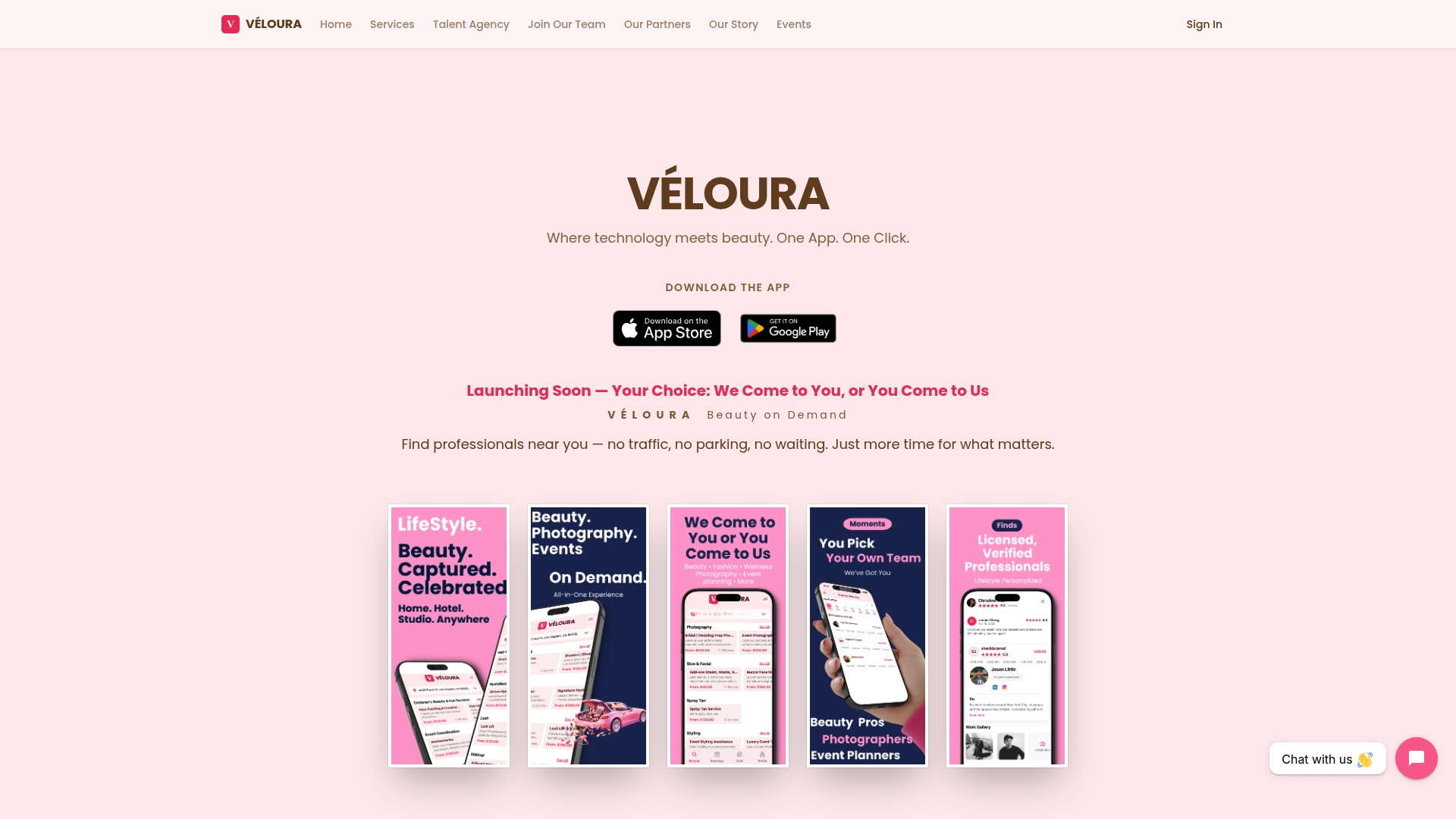
Whether you need a blowout before a meeting, lash extensions for a wedding, or a mobile manicure on a Sunday morning, Velourabeautyondemand handles the booking, payment, and reviews in one place. Professionals keep 80% of every booking, which means the people showing up at your door are motivated and invested in your experience. Browse available beauty services near you and book your first appointment today. Or explore the full VÉLOURA platform to see every service available in your city.
FAQ
What does a beauty booking platform actually do?
A beauty booking platform centralizes scheduling, payments, client history, and automated reminders in one system. It replaces phone calls and manual calendars with a self-service experience available at any hour.
How do beauty booking platforms reduce no-shows?
Automated reminders reduce no-show rates by approximately 35%, and platforms that collect deposits push no-shows below 5%. Both features are standard on quality platforms.
What is the difference between a booking app and a beauty marketplace app?
A booking app manages scheduling for a single business. A beauty marketplace app connects you with multiple professionals, adds service discovery and verified reviews, and handles payment in one place.
Are beauty booking platform rankings trustworthy?
Not always. Marketplace rankings often reflect paid placements rather than organic quality. Check review count, recency, and response rate to evaluate a professional accurately.
Is AI in beauty booking platforms ready for everyday use?
AI handles back-end tasks like reminders, follow-ups, and message drafting well. However, the average salon agent readiness score is 11 out of 100, meaning fully autonomous AI booking is still limited by closed platform infrastructure.
Recommended

Comments ()