How Beauty Apps Serve Mobility Needs in 2026
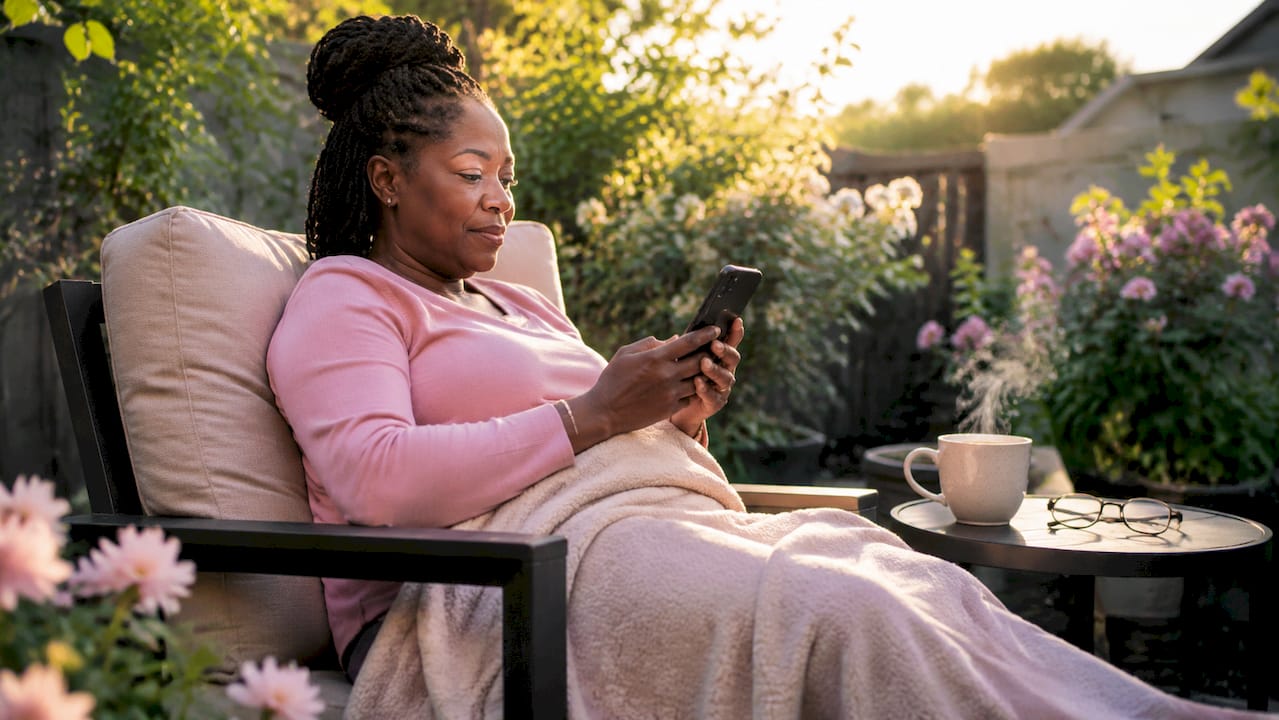
Beauty apps serve mobility needs by connecting individuals with limited physical ability to licensed professionals who come directly to them, removing the commute entirely. On-demand beauty platforms are now facilitating over 5.5 million appointments monthly in top U.S. cities. Platforms like StyleSeat have facilitated over 155 million appointments as of early 2026. Adaptive technologies like L’Oréal’s HAPTA and digital nail systems like iPolish have expanded what at-home beauty care looks like for people with arthritis, stroke-related challenges, or limited dexterity. This article breaks down exactly how beauty apps serve mobility needs, from booking features to adaptive tools to professional safety protocols.
How beauty apps serve mobility needs through smarter booking
App-based booking is the single biggest barrier-reducer for people with limited mobility. Before these platforms existed, scheduling a beauty appointment meant phone calls, waiting on hold, and coordinating transportation. Today, platforms like StyleSeat, Fresha, and Booksy Biz let you book, reschedule, and pay entirely from your phone, at any hour.
The features that matter most for mobility-limited users include:
- 24/7 self-scheduling so you never depend on business hours or a phone call
- Automated reminders that reduce the cognitive load of managing appointments
- Secure in-app payments that eliminate the need for cash handling or card machines
- Service notes fields where you can describe your home setup, mobility aids, or caregiver presence in advance
- Real-time professional tracking so you know exactly when your pro arrives
App-based booking platforms have drastically lowered barriers for homebound users by combining these features in one place. That matters because managing a beauty routine when you have limited mobility is not just a physical challenge. It is a logistical one. Removing three or four friction points at once changes the entire experience.
Pro Tip: When booking through any mobile beauty app, use the notes or intake field to describe your specific needs upfront. Mention mobility aids, preferred room setup, or caregiver involvement. This gives your pro time to prepare before they arrive.
What adaptive beauty tools work best for limited dexterity?
Adaptive beauty tools are physical devices and product designs that reduce the fine motor demand of grooming tasks. Adaptive tools include fat-grip handles, extended reach combs, angled brushes, and leverage-based clippers that reduce strain for users with limited hand strength or reach.
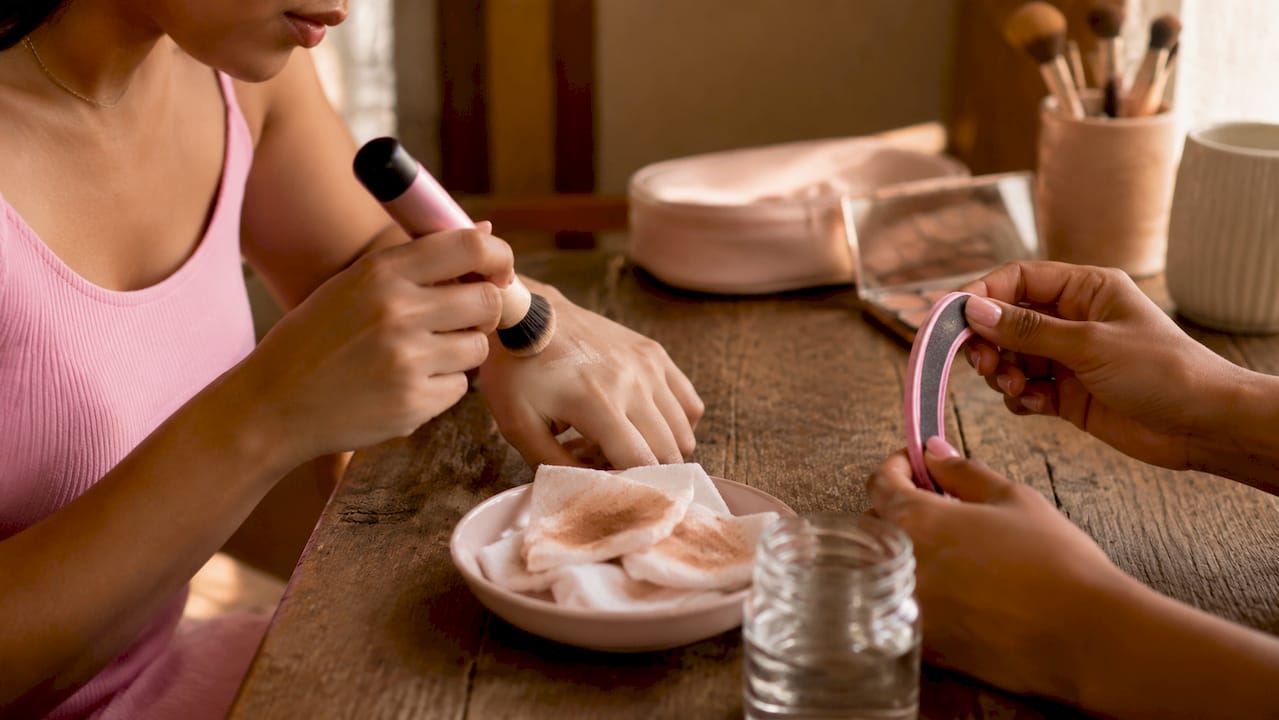
The most talked-about example right now is L’Oréal’s HAPTA, a motion-stabilizing applicator designed for users with hand-motion disorders including arthritis, Huntington’s Disease, and stroke-related challenges. HAPTA uses a gyroscopic mechanism to compensate for involuntary hand movement, letting users apply lipstick or mascara with far more control than a standard tool allows. iPolish takes a different approach, using a digital system that minimizes fine-motor demand for nail care specifically.
| Tool Type | Best For | Key Benefit |
|---|---|---|
| Fat-grip handles | Arthritis, weak grip | Reduces hand strain during brushing |
| Angled brushes | Limited wrist rotation | Reaches difficult angles without twisting |
| Extended reach combs | Limited shoulder mobility | Styles hair without raising arms high |
| L’Oréal HAPTA | Hand-motion disorders | Stabilizes motion for precise application |
| iPolish system | Limited dexterity | Simplifies nail care digitally |
| Foam tubing adapters | Any tool with thin handles | Low-cost grip enlargement for standard tools |
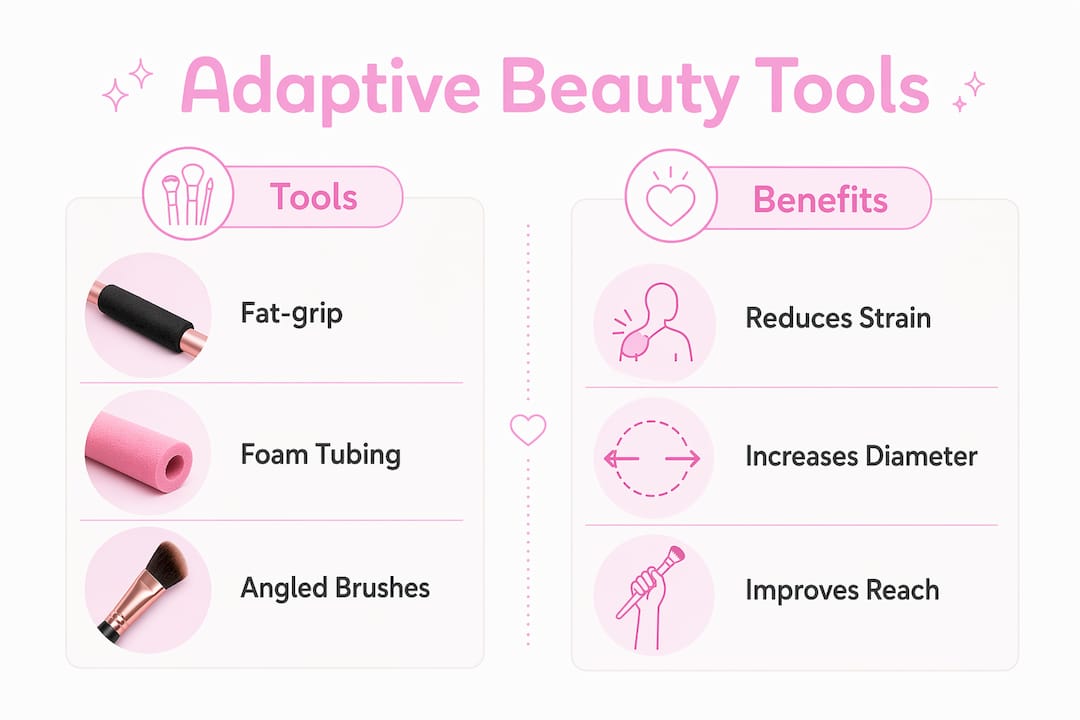
Foam tubing is worth highlighting separately. Wrapping standard tool handles with foam tubing to increase their diameter is a low-cost adaptation widely recommended by occupational therapists. It works on brushes, razors, and styling tools you already own. You do not need to replace everything.
Pro Tip: Before investing in specialty adaptive tools, try foam tubing from a hardware or craft store on your existing brushes and combs. It costs under five dollars and can make a significant difference in grip stability.
How do beauty pros handle mobility needs during in-home visits?
Professional service adaptation is where mobile beauty care separates itself from a simple house call. Experienced mobile beauticians treat the intake process as a safety filter, not just a booking formality. Mobile beauticians serving homebound clients emphasize building trust with caregivers and families, using intake to identify transfer or mobility safety needs before the appointment begins.
A well-run in-home beauty appointment follows a clear sequence:
- Pre-visit intake confirms mobility aids in use, recent falls, home layout, and caregiver availability
- Environmental assessment on arrival identifies trip hazards, furniture placement, and lighting
- Role clarification establishes what the beauty professional handles versus what the caregiver manages
- Equipment setup includes portable tools like inflatable neck rests for hair washing at the client’s location
- Service delivery proceeds with the client directing the pace and any physical assistance offered
That third step, role clarification, is more important than most people realize. Coordinating roles between the beauty professional and caregiver reduces confusion and liability, ensuring safe and smooth appointments. When everyone knows their job before the service starts, the client can relax instead of managing logistics in real time.
Client autonomy is the other non-negotiable. Practitioners must ask permission before offering any physical help and respond graciously when a client declines. The client knows their body and their safe transfer methods better than anyone in the room. Respecting that knowledge is not just good manners. It is professional standard.
Fall prevention protocols for in-home salon visits involve assessing environmental risks, confirming caregiver roles, and preparing portable equipment for safe, comfortable service. These protocols are what distinguish a trained mobile beauty professional from someone who simply travels to appointments.
Does app design affect usability for mobility-limited users?
Digital accessibility is as important as physical accessibility. Complex apps present digital barriers equal in impact to physical tool challenges for mobility-limited users. This means the app itself can either open doors or close them, regardless of how good the underlying service is.
The design features that most affect usability for people with limited endurance or dexterity include:
- Large tap targets that do not require precise finger placement
- Minimal scrolling to reduce repetitive motion fatigue
- High-contrast text that reduces eye strain during longer sessions
- Simple navigation paths that complete a booking in three steps or fewer
- Voice-compatible layouts that work with screen readers and voice control tools
Apps with visually dense interfaces, small buttons, or multi-step checkout flows create real friction for users who tire quickly or have limited fine motor control. The best mobile beauty app features are the ones you barely notice because they get out of your way. When an app requires ten taps to book a single appointment, that is not a minor inconvenience. For someone managing fatigue or limited hand strength, it is a reason to stop using the service entirely.
Simple, intuitive navigation and avoiding visually dense interfaces prevent user fatigue and improve usability for people with mobility-related endurance issues. Platforms that invest in clean design are not just being thoughtful. They are capturing a user base that other apps lose through poor execution.
Key takeaways
Beauty apps serve mobility needs most effectively when they combine accessible booking technology, adaptive physical tools, and trained professionals who follow clear safety protocols.
| Point | Details |
|---|---|
| App booking removes barriers | Platforms like StyleSeat enable 24/7 self-scheduling, reminders, and secure payment for homebound users. |
| Adaptive tools reduce fine motor demand | Fat-grip handles, HAPTA, and foam tubing adapters lower the physical effort of daily beauty routines. |
| Intake is a safety tool | Pre-visit intake screens for falls, mobility aids, and caregiver availability before any appointment begins. |
| Role clarity protects everyone | Defining caregiver versus pro responsibilities before service reduces liability and improves client comfort. |
| App design is accessibility | Simple navigation and large tap targets determine whether mobility-limited users can actually use the service. |
What we’ve learned connecting clients who can’t easily leave home
Running a mobile beauty platform teaches you things no industry report captures. The clients who benefit most from on-demand beauty services are not always the ones you expect. Yes, new moms and busy professionals book with us. But the appointments that matter most, the ones where the service genuinely changes someone’s day, often go to people who have not been to a salon in months or years because getting there is simply not possible.
What we have seen repeatedly is that the technology is only half the equation. The other half is the professional who shows up. A vetted pro who asks before touching, who reads the room, who coordinates with a caregiver without making the client feel like a bystander in their own appointment, that person delivers something no app feature can replicate. The app gets them in the door. The professional makes it worth it.
The beauty industry has been slow to recognize mobility-limited clients as a distinct segment with specific needs. Most platforms treat accessibility as an afterthought, a checkbox rather than a design principle. We think that is a mistake. The population of people who want professional beauty services but cannot travel to get them is large, underserved, and deeply loyal when they find a service that actually works for them.
The future of accessible beauty is not just better tools. It is better training, better intake, and better app design working together. Every improvement in one area amplifies the others.
— VÉLOURA
Book your first at-home beauty appointment with Velourabeautyondemand
You deserve a beauty experience that works around your life, not the other way around. Velourabeautyondemand connects you with licensed, vetted beauty professionals who come directly to your home, your office, or wherever you are most comfortable.
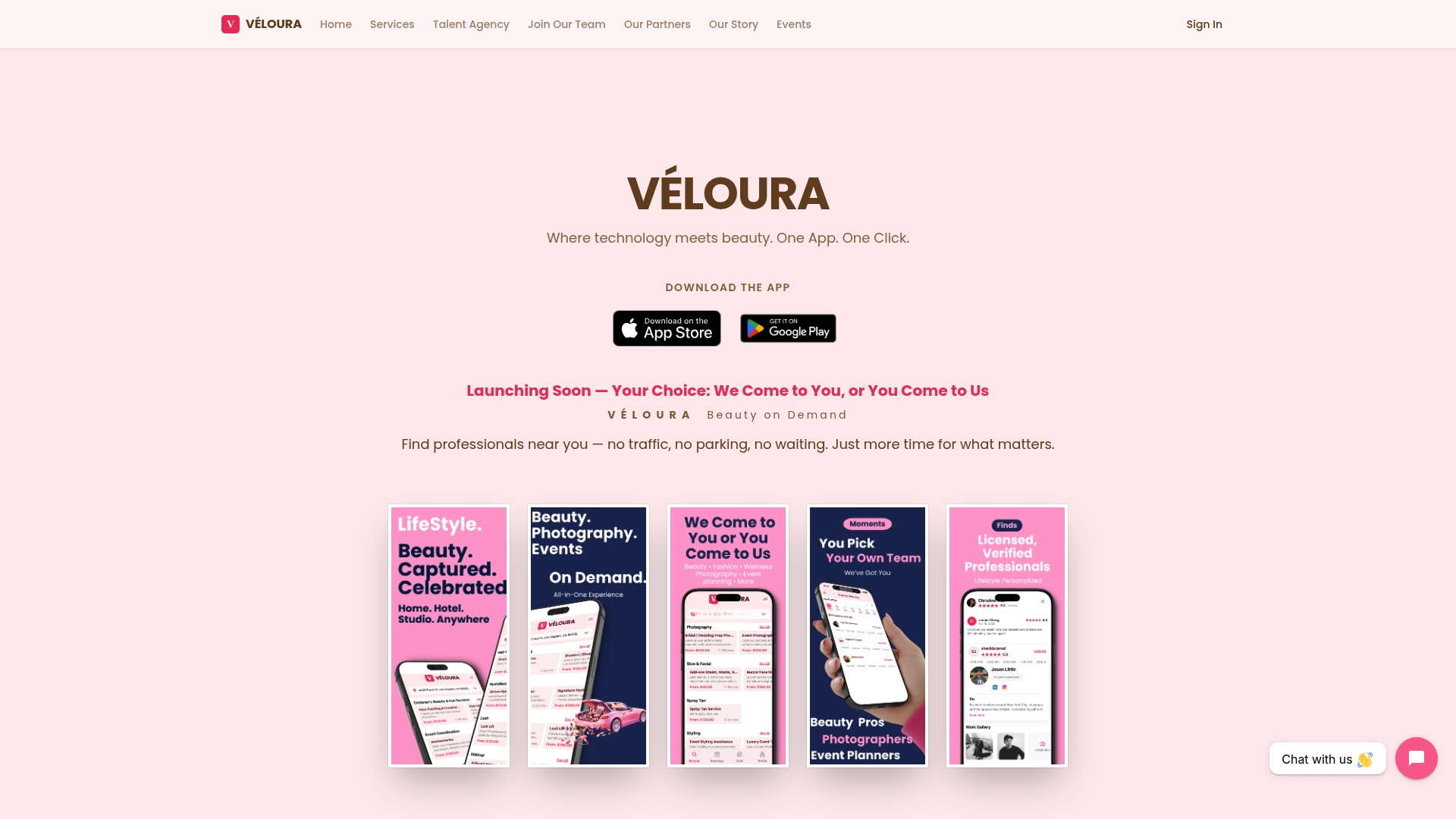
Through the VÉLOURA app, you can book hair, nails, lashes, makeup, and skincare services in minutes. Automated reminders, secure in-app payment, and detailed service notes mean your pro arrives prepared for your specific needs. No commute. No waiting room. No logistics to manage on your own. Whether you have limited mobility, a packed schedule, or simply prefer the comfort of your own space, Velourabeautyondemand is built for you. Book your first appointment today and experience beauty on your terms.
FAQ
What features make beauty apps accessible for mobility limitations?
The best beauty apps for mobility limitations offer 24/7 self-scheduling, automated reminders, secure in-app payments, and service notes fields where clients can describe their home setup or mobility aids in advance. These features remove the need for phone calls, cash handling, or in-person coordination.
Do beauty apps support in-home services for homebound clients?
Yes. Platforms like StyleSeat and Velourabeautyondemand connect homebound clients with licensed professionals who travel to the client’s location. Experienced mobile pros use intake forms to identify mobility needs, coordinate with caregivers, and bring portable equipment like inflatable neck rests.
What adaptive tools do mobile beauty professionals use?
Mobile beauty professionals use fat-grip handles, angled brushes, extended reach combs, and devices like L’Oréal’s HAPTA for clients with hand-motion disorders. Foam tubing is a low-cost option that enlarges standard tool handles for users with limited grip strength.
How do beauty pros handle client safety during in-home visits?
Trained mobile beauticians follow fall prevention protocols that include pre-visit intake, environmental risk assessment on arrival, and clear role division between the professional and any caregiver present. Client autonomy is the priority, meaning pros ask permission before offering physical assistance.
Are beauty apps easy to use for people with limited dexterity?
The best mobile beauty apps use large tap targets, minimal scrolling, high-contrast text, and simple navigation paths that complete a booking in three steps or fewer. Apps with complex or visually dense interfaces create real barriers for users managing fatigue or limited hand strength.
Recommended

Comments ()