Wheelchair friendly beauty services cover three practical paths: mobile professionals who come to you, salons built with accessible stations and clear pathways, and facility partnerships inside senior living or care communities. The fastest way to get one is to book a vetted in-home pro or call ahead and ask a salon directly about its accessible setup. One option built around this kind of flexible, at-home booking includes mobile beauty services.
TL;DR:
- Most accessible salons lack sufficient clear floor space and proper turning radii, making full wheelchair maneuvering difficult despite claims of accessibility.
- Sensory accommodations like dimmed lighting and reduced noise, along with consistent staff, are equally vital as physical modifications for a comfortable experience.
- Booking in advance and describing specific mobility or sensory needs helps ensure professionals arrive prepared and services meet your accessibility requirements.
- Mobile beauty services eliminate transportation barriers, allowing clients to receive treatments at home or within care facilities, which is especially helpful for seniors or those with complex needs.
- Verifying staff licensing, transfer assistance policies, and liability coverage ahead of time builds trust and minimizes safety risks during the appointment.
Table of Contents
- Where to find wheelchair-friendly beauty services
- What accessibility features actually matter
- Sensory-friendly and communication accommodations matter just as much
- How a mobile beauty appointment actually works
- Choosing a provider you can trust
- How VÉLOURA approaches accessible, wheelchair-friendly care
- Getting to and from your appointment
- Health and safety during the appointment itself
- Who's liable if something goes wrong
- What wheelchair users actually say about their experiences
- Why accessible beauty matters
- Booking VÉLOURA for a wheelchair-friendly appointment
- FAQ
- Sources
Where to find wheelchair-friendly beauty services
You have three real paths, and each solves a different problem.
Mobile and on-site services bring a licensed professional to your home, hotel, or office. There's no transfer, no unfamiliar bathroom sink, and no need to plan transportation around someone else's schedule. You control the lighting, the chair, and the pace.

Specialized accessible salons are built for this from the ground up: wider aisles, roll-under sinks, and stations with no step or threshold to clear. Fewer salons offer this than you'd expect, so a quick phone call before booking saves a wasted trip.
Facility-based services work through skilled nursing homes, assisted living communities, and rehab centers that bring beauty professionals on-site for residents. Coordinating usually means contacting the facility's activities director rather than the salon itself.
- Search using specific terms like "wheelchair accessible salon" or "mobile beauty services for mobility needs" rather than generic salon searches.
- Call ahead and ask about clear floor space, roll-under sinks, and whether staff have transfer experience.
- Ask facilities directly what beauty services are already scheduled before arranging an outside visit.
What accessibility features actually matter
A salon can call itself accessible without meeting the standard that actually helps you. Here's what to check before you book.
- Clear floor space and turning radius: a wheelchair needs room to turn fully, not just roll in a straight line, at the chair, the sink, and the checkout counter.
- Accessible wash stations: look for a sink with knee clearance underneath, or ask whether the stylist offers an in-chair rinse using a portable basin.
- Ramps and reachable counters: a ramp with a workable slope and a counter height you can actually use matter more than a fancy lobby.
- Clear, unobstructed paths: product displays and rolling carts should never block the route between the door and the service chair.
- Staff trained in transfer assistance: ask whether staff are trained to assist with transfers safely, and whether they ask your preference first rather than assuming.
One source sets the bar for clear floor and turning space at service counters and sinks, which is the detail most salons overlook when they call themselves accessible.
Sensory-friendly and communication accommodations matter just as much
Physical access solves half the problem. The other half is sensory comfort: bright fluorescent lighting, blow dryers at full volume, and a packed waiting room can turn a simple appointment into something stressful.
- Ask about quiet appointment slots with dimmed lighting and reduced background noise.
- Request fragrance-free products if scent sensitivity is a concern.
- Bring or request a written preference sheet so you're not re-explaining your needs to a new staff member each visit.
- Ask for a consistent stylist or technician when possible, since familiarity reduces anxiety for both sensory and mobility needs.
Inclusive beauty educators recommend pairing physical accessibility with these sensory and communication adjustments, since one without the other still leaves gaps.
Pro Tip: Call the day before and confirm your preferences again. Staff schedules change, and a reminder keeps your accommodations from getting lost.
How a mobile beauty appointment actually works
Booking a mobile service is straightforward, but a few details make the visit smoother. Most apps or phone bookings ask you to describe the service, then give you a window to note mobility needs, sensory preferences, or transfer requirements up front, so the professional arrives prepared rather than improvising.
A blowout or manicure typically runs the same length at home as in a salon chair, with some additional time for setup and cleanup. Pricing usually includes the base service cost plus a travel fee, with more complex services like color or extensions costing more due to time and supplies.
- Mention mobility equipment, transfer needs, or sensory preferences when you book, not when the pro arrives.
- Clear a path from your front door to the service area before your appointment time.
- Set up good lighting and a comfortable, stable chair or confirm you'll stay in your own wheelchair.
- Keep pets or distractions in another room if focus and calm matter to you.
Choosing a provider you can trust
A few direct questions before booking tell you more than any website photo.
- Ask whether staff are licensed and have experience assisting clients with mobility differences.
- Ask what their transfer policy is and whether they require you to bring a personal attendant.
- Ask about cancellation and safety policies in writing, not just verbally.
- Watch for red flags: vague answers about safety procedures, reluctance to accommodate basic requests, or insisting you handle your own transfer without offering help.
- Look for trust signals: documented accessibility policies, licensed staff, and reviews that specifically mention accommodations handled well.
Under Title III of the ADA, service establishments must provide reasonable modifications and cannot lawfully turn you away solely because you use a wheelchair. A provider who hesitates on this point is one to skip. For nail-specific checks, this short safety checklist covers useful baseline questions before you sit down.
How VÉLOURA approaches accessible, wheelchair-friendly care
Certain mobile beauty services connect clients with licensed professionals for hair, makeup, nails, and skincare, delivered at home, in a hotel room, or inside a care facility.
For mobility needs specifically, the intake process is where it matters: you describe your needs before the professional is matched, so transfer preferences and sensory requests travel with the booking rather than getting lost. Some services extend this further for seniors, pairing beauty treatments with attentive, unhurried visits that often matter as much as the haircut itself.
Getting to and from your appointment
Transportation is often the hardest part of booking any beauty service, which is exactly why mobile services exist. If you're traveling to a salon, look for wheelchair-accessible paratransit or ride-share options with accessible vehicles in your area, and confirm pickup and drop-off points have curb cuts or ramps, not just a flat sidewalk somewhere nearby.
Many cities offer accessible van services through public transit authorities, but booking windows can run a day or more in advance, so plan around that lead time rather than booking a salon slot first. Rideshare apps with wheelchair-accessible vehicle options exist in some markets but availability varies heavily by city and time of day.
This is the practical case for mobile beauty services: when the professional comes to you, transportation stops being a variable at all. You're not coordinating a ride, a drop-off point, and an appointment time around each other. If a salon visit is still your preference, call ahead to confirm the building itself, not just the parking lot, has an accessible entrance path from where accessible parking or drop-off actually is.
Health and safety during the appointment itself
A few physical realities are worth planning around before any beauty treatment, especially one involving a full transfer out of your wheelchair.
Pressure points matter most during longer services like facials or lash work, where you're in one position for an extended period. Ask the professional to check in periodically, and don't hesitate to request a position shift if you're uncomfortable. For facials and skincare specifically, estheticians can work with clients seated in their own wheelchair using simple positioning aids, like a supportive pillow for head and neck support, avoiding a transfer altogether.
Skin sensitivity is another factor: some mobility conditions involve reduced sensation in certain areas, so tell your technician if you can't fully feel heat, pressure, or product application in a particular spot. This applies directly to hot towel treatments, wax services, and any tool that generates heat.
If a transfer is necessary, a two-person assist or a mechanical lift is safer than a single staff member attempting it alone, particularly for a longer appointment where you'll be repositioned more than once. A provider who asks your preference before assisting, rather than assuming the fastest method, is following the right practice.

Who's liable if something goes wrong
Insurance and liability questions come up often, and the honest answer is that coverage varies by business structure. A licensed salon typically carries general liability insurance covering client injuries on its premises, including anything related to a fall, a transfer, or equipment use during a service.
Mobile and on-demand platforms generally structure liability differently, since the service happens in your home or hotel room rather than the provider's own space. Marketplaces that connect clients with independent professionals typically require those professionals to carry their own liability coverage as a condition of working through the platform, though the specifics are worth confirming directly with any provider before booking if a transfer or specialized equipment is involved.
Ask directly whether the business carries liability insurance, and whether that coverage extends to assistance with transfers or mobility equipment during the appointment. A provider who answers clearly and documents their safety policy is one you can trust with a straightforward answer rather than a vague reassurance.
What wheelchair users actually say about their experiences
Feedback from wheelchair users tends to cluster around a few specific details, more than overall satisfaction scores. Clients frequently mention whether staff asked before touching or assisting them, rather than assuming what help was needed. That single moment, being asked instead of assumed, shows up again and again in how people describe a good versus a frustrating visit.
Reviews also tend to call out specific physical details: a sink that actually accommodated a wheelchair, a chair that didn't require an awkward sideways transfer, or a stylist who adjusted their own position instead of asking the client to contort. One Texas salon that opened with fully accessible stations, portable washing stations, and noise-reducing features drew attention specifically because reviewers noted how rare that combination still is.
The common thread across feedback, whether for a salon visit or a mobile appointment, is that dignity and comfort get noticed and remembered far more than the haircut or manicure itself. A technician who stays patient, communicates clearly, and treats the appointment as routine rather than a special accommodation tends to earn the kind of review that brings a client back.
Why accessible beauty matters
Beauty care is one of the simplest ways to feel like yourself, and mobility shouldn't be the reason that's harder to access. The point isn't a checklist of ramps and sinks, though those matter. It's whether a professional asks what you need and actually listens. If your situation calls for a specific accommodation, say so clearly when you book, and expect a real answer back.
— VÉLOURA Beauty On Demand
Booking VÉLOURA for a wheelchair-friendly appointment
VÉLOURA brings the service to you, which solves the transportation and transfer problem before it starts. Hair styling, makeup artistry, nail services, and skincare and facials are all available at home, in a hotel room, or through senior beauty arrangements for care communities.
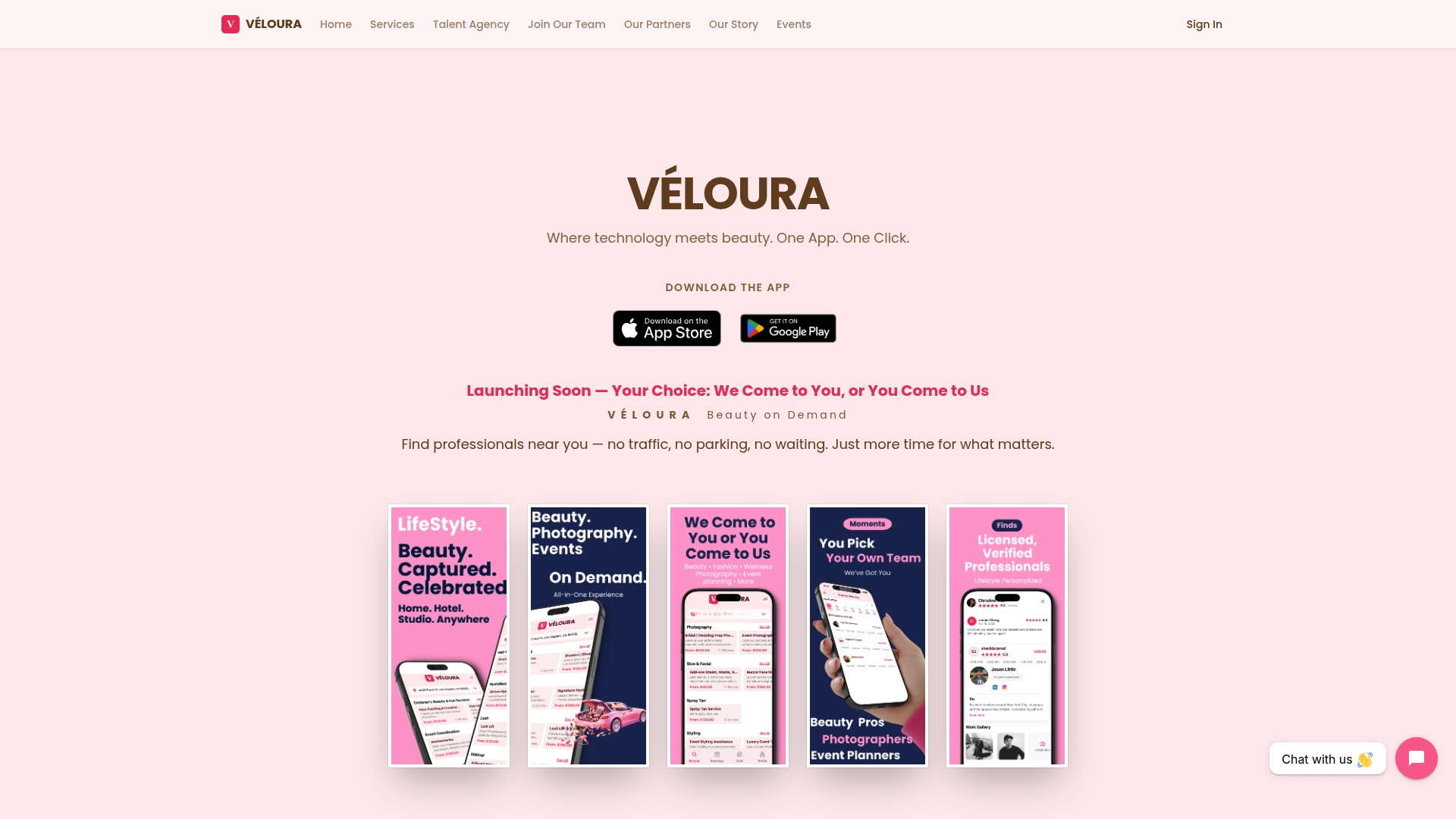
Booking typically involves describing the service, choosing a time, and mentioning mobility needs, transfer preferences, or sensory requests before a professional is matched.
- Mention wheelchair use, transfer assistance needs, or sensory sensitivities in your booking notes.
- Choose hair, makeup, nails, or skincare based on your space and comfort level.
- Ask about specialized care services if booking for a senior family member who wants a slower, more personal visit.
Browse the full range of services and book the one that fits your day.
FAQ
Do hair salons have to be ADA compliant?
Yes, salons that qualify as public accommodations under the ADA must provide reasonable modifications and cannot refuse service solely because a client has a mobility impairment, under Title III guidance. This includes reasonable assistance with transfers when requested, though specific physical retrofits depend on when the building was constructed.
How much do mobile hairdressers cost?
Mobile hairdresser pricing typically includes the base cost of the service plus a travel fee, with more complex services like color costing more due to added time and supplies. Exact pricing depends on the platform and service chosen, so check current rates on the provider's booking page before confirming.
How much do you tip a hairstylist?
Mobile services sometimes warrant a slightly higher tip given travel time, though this is a personal choice rather than a fixed rule.
What should I ask a salon before booking if I use a wheelchair?
Ask about clear floor space at the service chair and sink, whether staff have transfer experience, and what their policy is if you need assistance. A salon with a clear, confident answer to all three is a good sign; vague or defensive answers are a reason to look elsewhere.
Are mobile beauty services available for seniors with mobility challenges?
Yes, mobile beauty services designed for seniors typically include hair, skincare, and companionship-focused visits that happen in the client's own home or care facility. VÉLOURA Care specifically pairs beauty services with a slower, more attentive visit built around comfort rather than speed.
Sources
- Settlement Agreement between the United States of America and Medical Specialists of the Palm Beaches, Inc.
- Occupation Beauty | Inclusive Beauty Education and Adaptive Makeup