A fair mobile beauty cancellation policy asks for 24 to 48 hours' notice, spells out a deposit or no-show fee upfront, and gives you an easy way to cancel through the same channel you booked with. Miss the notice window and you'll likely forfeit a deposit or face a percentage fee. If the provider cancels on you, expect a full refund or a free rebooking, no questions asked.
TL;DR:
- Most mobile beauty services require at least 24 to 48 hours' notice for cancellations to avoid forfeiting deposits or incurring fees, with longer windows for group or bridal bookings.
- Deposits vary from nonrefundable to refundable holding fees, and full prepayments often carry stricter refund policies based on cancellation timing.
- Late cancellations within 24 hours typically lead to 50 to 100 percent service charges, while no-shows usually forfeit the entire fee or deposit.
- If the provider cancels due to weather, illness, or emergencies, they generally must offer a full refund or rebooking, with no client penalty.
- Canceling via the same booking channel and doing so promptly helps avoid losing deposits, with clear policies displayed before payment on reputable platforms.
Table of Contents
- What Is a Typical Mobile Beauty Cancellation Notice Window?
- How Do Deposits and Booking Fees Work?
- What Happens If I Cancel Late or Don't Show Up?
- What If My Mobile Beauty Professional Cancels on Me?
- How Do I Cancel or Reschedule a Mobile Beauty Booking?
- What Should a Fair Mobile Beauty Policy Look Like?
- Why Clear Cancellation Terms Protect Everyone
- Booking With VÉLOURA Beauty On Demand
- Sources
- FAQ
What Is a Typical Mobile Beauty Cancellation Notice Window?
Most mobile beauty professionals ask for 24 to 48 hours' notice before you cancel or reschedule. That window isn't arbitrary. A traveling stylist or makeup artist can usually fill a canceled 24-hour slot with someone else on a waitlist, but only if they know in time to make calls, pack a different kit, or adjust their route.

Bigger bookings change the math. Bridal parties, multi-person glam squads, and corporate events often carry longer windows, sometimes 72 hours or more, because rebooking several professionals on short notice is nearly impossible.
Here's how notice timing typically maps to outcomes:
- Full notice given (before the cutoff): no fee, full refund or free reschedule
- Partial notice (inside the window but not last-minute): partial fee, often 25 to 50 percent
- No notice or a no-show: full charge or forfeited deposit
Real policy wording looks something like "cancellations made less than 24 hours before your appointment forfeit the deposit," or "please provide 48 hours' notice for parties of three or more." If a booking confirmation doesn't spell this out, ask before you pay anything.
How Do Deposits and Booking Fees Work?
Deposits aren't all the same, and the type you're asked to pay changes what you get back. A nonrefundable deposit locks your slot and disappears if you cancel late, though it's often forfeited only outside the provider's grace period. A refundable holding deposit gets returned if you cancel within the allowed window. Full prepayment, common for bridal packages and multi-service bookings, usually follows stricter refund tiers tied to how far out you cancel.
Industry norms commonly require a deposit of a minority percentage of the total service cost, a figure reflected in policies like Beauttega's cancellation terms, which also allow a free reschedule inside a 48-hour window before that deposit is forfeited.
Deposits are refunded when: the provider cancels on you, you reschedule within the stated grace period, or the policy explicitly names an exception (illness, weather, emergencies).
Watch for red flags:
- Vague "convenience fees" with no stated percentage or dollar amount
- Refund rules buried in fine print instead of shown before payment
- No mention of what happens if the provider, not you, cancels
The FTC's fee disclosure guidance requires businesses to show the total price, including any fees, before you pay. If a provider won't tell you the full amount upfront, that's a warning sign worth taking seriously.
What Happens If I Cancel Late or Don't Show Up?
Late cancellations and no-shows get treated differently depending on how close to your appointment you back out, and providers generally use one of two models.
- Tiered fees. A common structure charges 50 percent of the service cost for cancellations inside 24 hours and 100 percent for a no-show. Some providers scale it further, charging 25 percent between 24 and 48 hours out and jumping to 50 percent or more inside 24 hours.
- Flat fees. Instead of scaling by timing, some providers charge one set late-cancellation fee regardless of how close to the appointment you cancel, often mirroring the deposit amount.
Running late isn't the same as canceling, but it can turn into one. Most providers define a "late arrival" as 10 to 15 minutes past your scheduled time, after which they may shorten your service, charge a late fee, or treat the appointment as a no-show if you're significantly delayed. If you're running behind, a quick text or app message can be the difference between a shortened service and a full charge.
Rescheduling close to your appointment sometimes counts as a cancellation for fee purposes, even if you fully intend to rebook. Ask directly whether a reschedule inside the notice window triggers the same fee as an outright cancellation.

What If My Mobile Beauty Professional Cancels on Me?
Provider cancellations flip the script entirely. When a mobile professional cancels, the standard expectation is a full refund of your deposit or an offer to reschedule at no added cost. Sample policy language, like the excerpts in Beauttega's terms, consistently treats provider-side cancellations as full refund or free rebooking, never a client penalty.
Weather, illness, and travel disruptions fall into this same category. A stylist who can't safely drive through a storm, or who wakes up sick, typically owes you no fee and should offer a prompt rebooking or refund.
If a provider cancels and doesn't proactively offer a solution, ask for one directly:
- Request a full refund of your deposit if you don't want to rebook
- Ask for priority rebooking at your original rate
- If travel delays caused the cancellation, ask whether a travel-fee waiver applies to your next booking
How Do I Cancel or Reschedule a Mobile Beauty Booking?
Canceling cleanly, without losing your deposit, comes down to speed and using the right channel.
-
Find the policy first. Check your booking confirmation or the app's booking flow for the stated notice window and fee structure before you do anything else.
-
Cancel through the same method you booked with. If you booked in an app, use the in-app cancel button. If you booked by phone, call rather than emailing into a void.
-
Have your details ready. Your booking ID, appointment time, reason for canceling, and a preferred new time all speed up the process and reduce back-and-forth.
-
Save your confirmation. A screenshot or confirmation email protects you if a fee dispute comes up later.
-
Ask for an exception if you have one. Illness, emergencies, and provider errors are often grounds for a waived fee, but only if you ask.
Pro Tip: Cancel the moment you know you need to, not the moment you remember to. A 6 a.m. cancellation for a 2 p.m. appointment almost always beats one sent at noon, even if both fall "within 24 hours" on paper.
What Should a Fair Mobile Beauty Policy Look Like?
A trustworthy provider doesn't hide its rules. Clients should be able to see the notice window, deposit amount, and fee structure before they ever enter payment information, not buried in a follow-up email after the charge hits.
Best practice looks like this:
- Notice windows and fees are displayed before payment, not after booking
- Cancellation methods are listed clearly in the confirmation, not just on a separate policy page
- At least one cancellation method matches the sign-up method. If you booked through an app, you should be able to cancel through the app itself
- Recurring services or membership-style bookings allow immediate cancellation that halts future billing right away
That last point isn't just good customer service. Under FTC negative-option guidance, a cancellation mechanism has to be at least as easy as the signup process. A business that makes you call during limited hours to cancel something you signed up for with one tap online is skating close to a real compliance problem, not just a bad experience.
Why Clear Cancellation Terms Protect Everyone
Mobile beauty professionals don't have a waiting room full of walk-ins to fill a canceled slot. When a client cancels without notice, that hour often goes unpaid entirely, which is why fair, visible policies matter as much for the professional's income as for your wallet.
Clients benefit just as much from that clarity. Knowing the exact notice window and fee before you book means no surprise charges and no guessing about what counts as "late."
VÉLOURA Beauty On Demand builds its booking flow around that same principle: visible terms before payment, licensed and vetted professionals, and a cancellation path that's as simple as the tap that made the booking.
— VÉLOURA Beauty On Demand
Booking With VÉLOURA Beauty On Demand
Some mobile beauty platforms show notice windows, deposit terms, and cancellation methods before payment, right inside their apps.
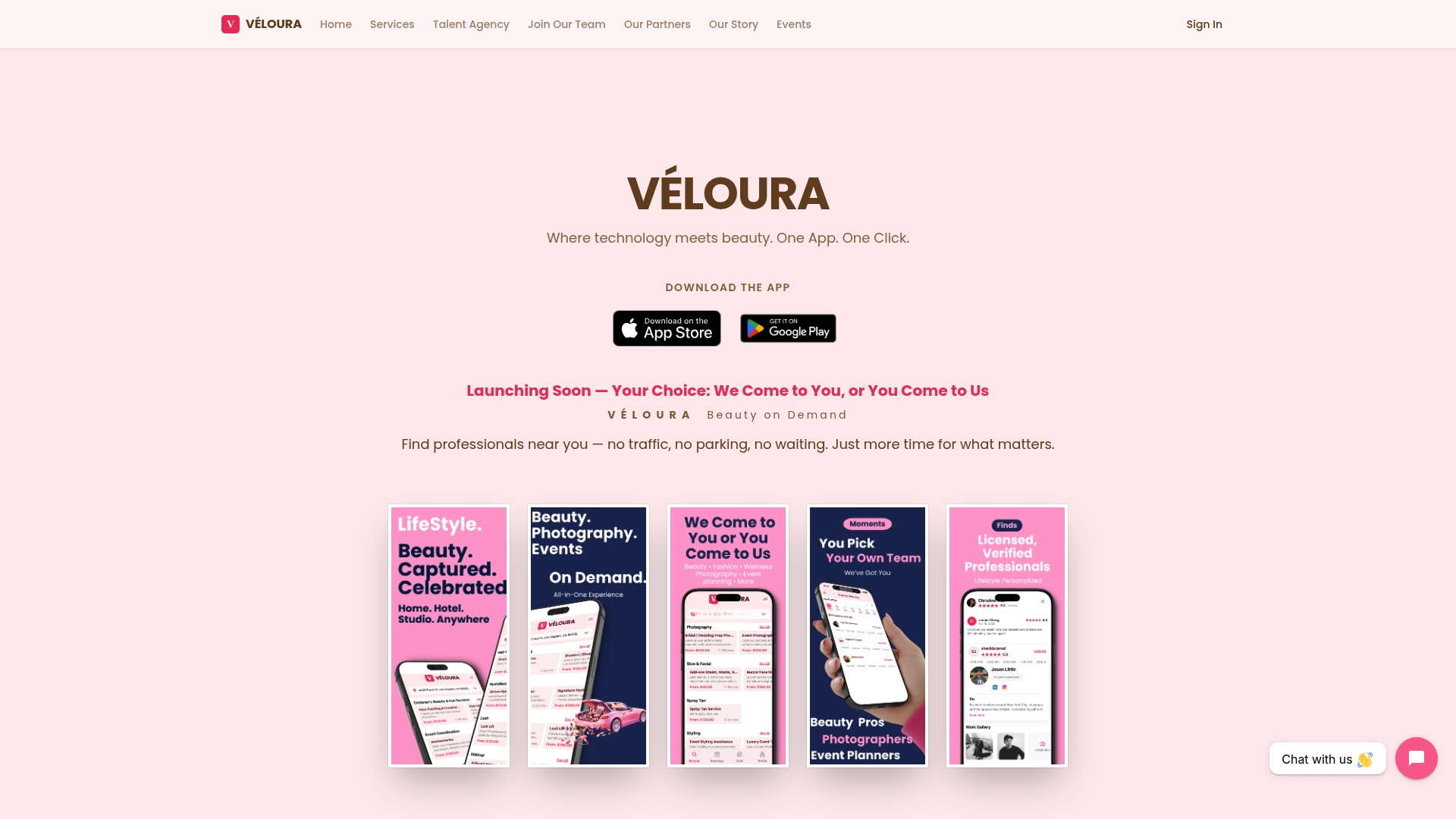
Whether you're booking a bridal glam squad, a same-day blowout, or a facial before a hotel check-in, the same rule applies across every service category: licensed, background-checked professionals, secure payments, and a cancellation button that works the same way your booking did. If you're planning wedding-day beauty for a full party, the wedding services page lays out exactly how group bookings and deposits work before you commit a date. Browse nail services, skincare and facials, or makeup artistry to see the specific terms for your appointment, then book with the confidence that the policy you saw at checkout is the one that applies if plans change.
Sources
For the regulatory backbone behind cancellation and refund rules, the FTC's Negative Option Rule and its enforcement policy statement cover simple cancellation mechanisms. For real-world policy language, see Beauttega's cancellation terms and general salon booking practices around deposits and scheduling.
- The Rule on Unfair or Deceptive Fees: Frequently Asked Questions | Federal Trade Commission
- Cancellation & Rescheduling Policy | Beauttega Tampa
FAQ
What is the cancellation policy for a beauty salon?
Most salons require 24 to 48 hours' notice, and canceling later than that usually costs you a deposit or a percentage fee. Mobile services often mirror this but may extend the window for group or bridal bookings.
What is the cancellation policy for estheticians?
Estheticians typically follow the same 24 to 48 hour notice standard as other beauty professionals, with deposits forfeited or partial fees charged for late cancellations. Since facials and skincare appointments often require prepared products or travel time, some estheticians apply stricter no-show fees than for simpler services.
What counts as a no-show for a mobile beauty appointment?
A no-show is generally when you don't cancel and aren't present or reachable within the provider's grace period, often 10 to 15 minutes past your scheduled time. No-shows commonly trigger the full service charge rather than a partial fee.
How do I cancel a mobile beauty appointment without losing my deposit?
Cancel through the same method you booked with, whether that's an app, phone call, or email, and do it as far ahead of your notice window as possible. Providing your booking ID and appointment time speeds up the process and helps confirm your cancellation went through before any fee deadline.
Does VÉLOURA Beauty On Demand charge cancellation fees?
VÉLOURA Beauty On Demand displays its notice window, deposit terms, and any applicable fees directly in the booking flow before payment, so you know the rules before you commit. Specific pricing and policy details for each service are available on the VÉLOURA services page.