Most gel manicures last 2 to 3 weeks, with disciplined at-home care pushing some wearers closer to 3 to 4 weeks before chips or regrowth take over. Real-world data backs this up: the American Academy of Dermatology puts the average wear time at 18 to 21 days, with roughly 20 to 30% of disciplined wearers stretching that to a full month.
Here's how to know where you stand:
- Days 1 to 14: Nails should look glossy and fully intact. No action needed.
- Days 15 to 21: Minor tip wear or slight regrowth is normal. Time to book your fill.
- Day 22+: Lifting, chipping, or visible gaps mean it's time for removal, not another coat of top coat.
Key Takeaways
Gel manicure longevity depends far more on nail prep and aftercare discipline than on which gel brand or salon you choose.
| Point | Details |
|---|---|
| Average wear time | Most gel manicures last 18 to 21 days, with 2 to 3 weeks as the typical range. |
| Prep is the biggest lever | Dehydrating the nail and capping the free edge prevents more chipping than any aftercare product. |
| Never peel gel off | Picking removes natural nail layers and causes long-term brittleness; always soak off professionally. |
| Protect skin during curing | Apply SPF 30+ sunscreen before every LED or UV curing session. |
| Book smart, not constant | Schedule fills every 2 to 3 weeks and take a 1 to 2 week break between full sets. |
| Professional application extends wear | VÉLOURA Beauty On Demand's vetted techs follow proper prep and soak-off protocols during in-home appointments. |
Table of Contents
- How Long Do Gel Nails Actually Last, Day by Day?
- What Makes Gel Nails Last Longer or Shorter?
- Salon and At-Home Habits That Extend Gel Wear
- How to Remove Gel Nails Without Damaging Your Natural Nail
- How Often Should You Get Gel Manicures?
- What Do Dermatologists Say About Gel Nail Safety?
- Why Discipline Beats Product Hype
- Book a Vetted Nail Tech Who Comes to You
- Sources
- FAQ
How Long Do Gel Nails Actually Last, Day by Day?
"Lasting" means different things depending on what you're measuring. A gel manicure that's chip-free at day 10 might already show regrowth at the cuticle. Both are true. Neither means failure.
There are three practical phases of wear. Fresh (days 1 to 7) means full shine, no lifting, no visible growth line. Acceptable (days 8 to 14) means the color still looks intentional even as a thin gap appears near the cuticle. Worn (days 15 to 21) is when regrowth becomes obvious and edges may start catching on fabric or hair.
Regrowth and chipping are different problems with different fixes. Regrowth is just your nail growing, cosmetic, not damaging. Chipping or lifting is a bond failure between the gel and your nail plate, and it's the real trigger for a salon visit.
- Days 1 to 7: Full gloss, sharp edges, no visible growth.
- Days 8 to 14: Slight cuticle gap, still wearable for most events.
- Days 15 to 21: Noticeable regrowth, some tip wear, fill time.
- Day 22+: Lifting risk climbs sharply. Remove or refill.
What Makes Gel Nails Last Longer or Shorter?
Some variables are in your control. Others aren't, and knowing the difference saves you money and frustration.
Prep work matters more than any product on the shelf. Nail techs consistently point to nail dehydration and free-edge capping (sealing the tip of the nail so gel can't peel from the edge inward) as the single biggest factor separating a 10 day manicure from a 3 week one, according to NailMuse. Skip the dehydrating step, and even premium gel starts lifting within days.
Nail health plays a quiet but real role. Brittle, thin, or damaged nails flex more under gel, and that flex is what cracks the polymer layer. Daily activities shorten wear fast: dishwashing without gloves, gardening, or frequent hand sanitizer use all soften and lift gel from the edges in. Product type also matters. Hard gels tend to outlast soak-off gels, and Gel-X extensions behave differently than gel over natural nail. Curing method rounds out the list. LED lamps cure faster and more evenly than older UV units, which reduces the soft spots that cause early chipping.
- Prep quality (dehydration, capping)
- Nail health and thickness
- Daily hand activity and chemical exposure
- Gel type (hard gel, soak-off, Gel-X)
- Curing method (LED vs. UV)
Pro Tip: Ask your tech to dehydrate the nail plate and cap the free edge before applying color. This one step prevents more early chipping than any top coat or cuticle oil ever will.
Salon and At-Home Habits That Extend Gel Wear
You control more of this timeline than you think. Here's the order of operations that actually works.
- Before your appointment: Skip lotion on your hands that morning. Arrive with clean, dry nails so the tech isn't fighting oil residue.
- During application: Ask specifically for thin layers and free-edge capping. Request LED curing if your salon offers a choice.
- The first few hours after: Avoid hot showers, steam, or heavy hand cream. Gel keeps hardening for a while after the lamp turns off, and heat during that window is a common cause of early lifting.
- Daily at home: Apply cuticle oil every night. It keeps the surrounding skin flexible so it doesn't pull at the gel edge.
- During chores: Wear gloves for dishes, cleaning, and gardening. Water and chemicals are the fastest way to soften gel from underneath.
- Weekly: Refresh with a thin top coat if your salon offers it, and never use your nails as tools to open cans or peel labels.
None of these habits work in isolation as well as they do together. Combining cuticle oil, glove use, and a weekly top coat refresh can add several extra days of wear compared to doing just one, according to NailMuse.
Pro Tip: That 2 to 4 hour window right after your appointment is fragile. Skip the hot bath and the steamy shower until the next day, and you'll cut down on the early lifting that ruins an otherwise good set.
How to Remove Gel Nails Without Damaging Your Natural Nail
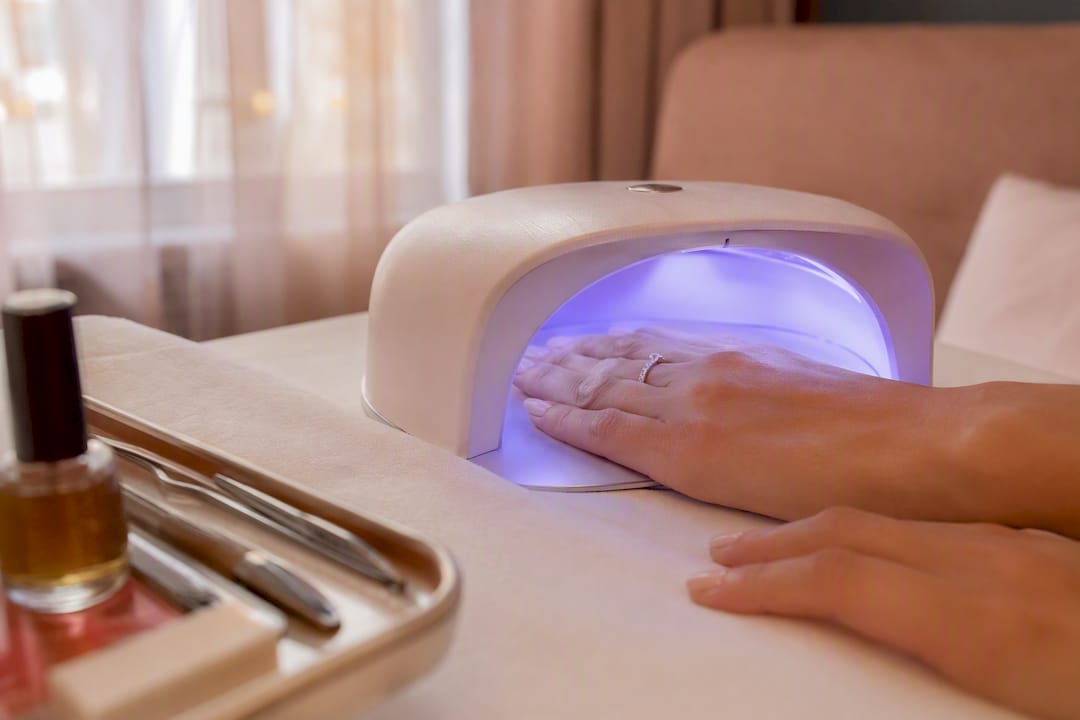
Soak-off is the only removal method dermatologists recommend, and for good reason: peeling gel off yourself takes nail layers with it.
- File the top coat to break the seal and dull the shine, just enough to let acetone penetrate.
- Soak cotton in pure acetone, press it onto each nail, and wrap in foil to hold it in place.
- Wait 10 to 15 minutes, then gently push off the softened gel with a cuticle stick. It should slide, not resist.
- Rehydrate immediately with cuticle oil and hand cream, since acetone strips natural moisture along with the gel.
Peeling or picking gel off skips all of this and takes the top layers of your natural nail plate with it. That's not a cosmetic setback. It's structural damage that shows up weeks later as brittleness and thinning, according to the American Academy of Dermatology.
Never pick or peel gel polish off at home. If you can't get to a salon, do a proper acetone soak, don't force it with your fingernails or a tool.
How Often Should You Get Gel Manicures?
Most salons recommend booking a fill or fresh set every 2 to 3 weeks, timed to when regrowth becomes visible but before lifting sets in, a cadence Pandora Nail Spa also points to for preventing trapped moisture and infection risk.
Continuous gel wear without a break isn't ideal for nail health. Dermatologists suggest periodic polish holidays, roughly 1 to 2 weeks bare between full sets, to let your nail plate recover.
Watch for these signs you need a longer break:
- Persistent brittleness or peeling layers even without gel on
- Visible thinning or a nail plate that feels flexible in a bad way
- Discoloration or texture changes that don't grow out normally
What Do Dermatologists Say About Gel Nail Safety?
The curing lamp is the part most people overlook, and it's the part dermatologists talk about most.
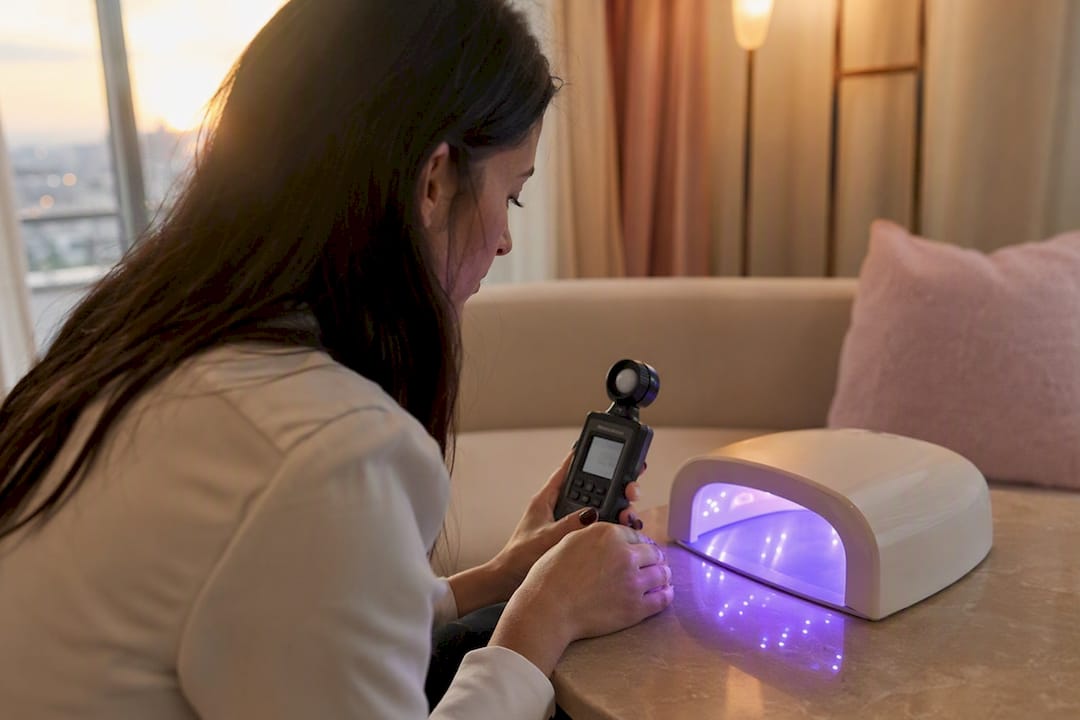
Both LED and UV lamps emit ultraviolet light, and dermatologists recommend applying a broad-spectrum, water-resistant sunscreen of SPF 30 or higher to your hands before curing, plus considering fingerless, dark gloves for added protection, per the American Academy of Dermatology. LED lamps are generally considered the lower-exposure option since they cure faster than older UV units, meaning less total time under the light.
Simple risk reduction steps:
- Apply sunscreen to hands before every curing session
- Choose LED curing when your salon offers it
- Get soak-off removal from a professional instead of peeling
- Watch for nail changes that don't resolve and see a dermatologist if they persist
With the average manicure lasting 18 to 21 days, that's roughly 15 to 20 curing sessions a year for regular wearers, which makes these small habits add up fast.
Why Discipline Beats Product Hype
The gel nail industry sells wear time like it's about the product. It's not, mostly. The techs who consistently get clients past 3 weeks are the ones obsessing over prep and aftercare, not chasing the newest gel formula. I'd rather see someone use a mid-range gel with proper capping and daily cuticle oil than a premium brand rushed onto damp nails. VÉLOURA Beauty On Demand connects clients with vetted professionals trained to follow exactly this kind of prep and soak-off protocol, at home, on your schedule.
Book a Vetted Nail Tech Who Comes to You
Getting the wear time this article describes starts with technique, and technique is exactly what you're paying for when you book through VÉLOURA Beauty On Demand. No commuting to a salon, no rushed appointment squeezed into someone else's schedule. A licensed, background-checked professional comes to your home, hotel, or office and takes the time to dehydrate, cap, and cure properly, the exact steps that separate a 10 day manicure from a 3 week one.

If your gel is already lifting or overdue for removal, skip the temptation to peel it off yourself. Book a mobile nail tech for a proper soak-off instead, one that protects your natural nail plate instead of stripping it. VÉLOURA currently serves clients in Los Angeles, New York, and Miami. Open the app and book your next fill or removal for a time that actually works for you.
Sources
- Gel manicures (American Academy of Dermatology)
- How Long Do Gel Nails Last? Real Wear Time + Ways to Extend (NailMuse)
FAQ
How long should you keep getting gel manicures?
There's no fixed limit, but dermatologists recommend periodic breaks, roughly 1 to 2 weeks bare between full sets, to let your nail plate recover from repeated curing and chemical exposure.
What are the downsides of gel nails?
The main risks are UV exposure during curing and nail damage from improper removal, particularly peeling or picking, which strips natural nail layers and can cause long-term brittleness.
Will gel nails last a full 4 weeks?
For some wearers, yes.
Do salons remove gel nails for free?
Policies vary by salon. Many include soak-off removal as part of booking a new set, while removal without a new service often carries a separate fee. Ask your specific salon or, with VÉLOURA Beauty On Demand, confirm removal service details when booking your appointment.